


Vinyl vs. Mesh vs. Fabric Banners: How to Choose the Right Material

Before choosing a banner material, decide where people will see it and how it will be mounted. A storefront promotion, an exposed fence and a photographed event backdrop each need a different combination of surface, airflow and finishing.
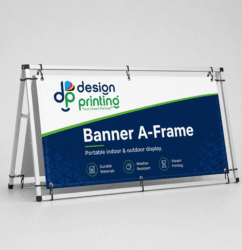
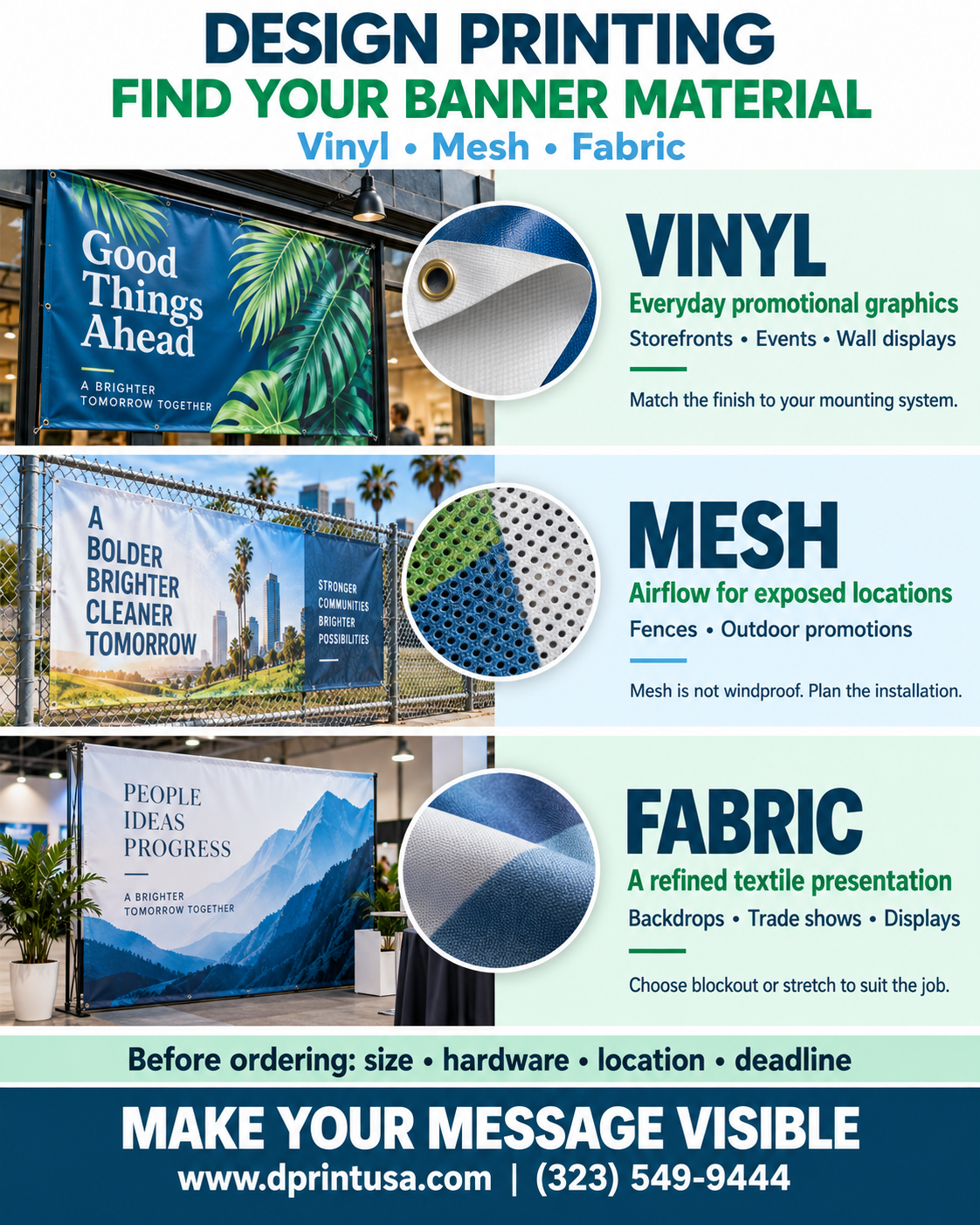
Solid vinyl is a versatile starting point for promotional graphics, mesh is worth considering for exposed locations where airflow matters, and fabric offers a textile finish for event and display work. Within those groups, the exact product and hardware still determine what to order.
Watch the 32-second guide
Have a project in mind? Request a custom printing quote or call (323) 549-9444.
Quick visual guide
Compare banner materials at a glance
| Material | Common project fit | Main question to resolve |
|---|---|---|
| Solid vinyl | Storefront promotions, event signs and wall-mounted graphics | Which weight, printing configuration and edge finish suit the installation? |
| Mesh vinyl | Fence graphics and exposed outdoor displays | How will the banner and support system handle the site’s conditions? |
| Fabric | Photo backdrops, trade-show graphics and fitted displays | Do you need stretch, light blocking or a specific hardware fit? |
Choose solid vinyl for a flexible promotional format
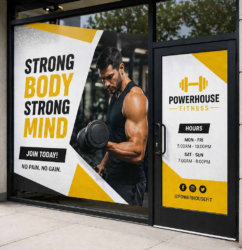
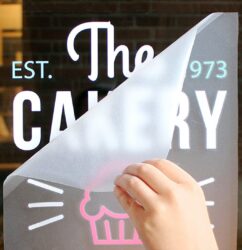
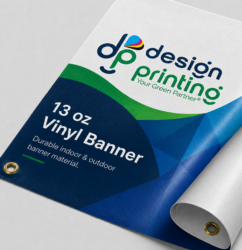
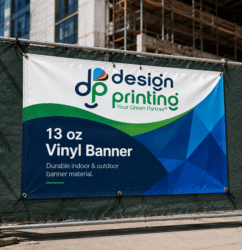
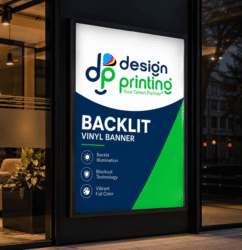
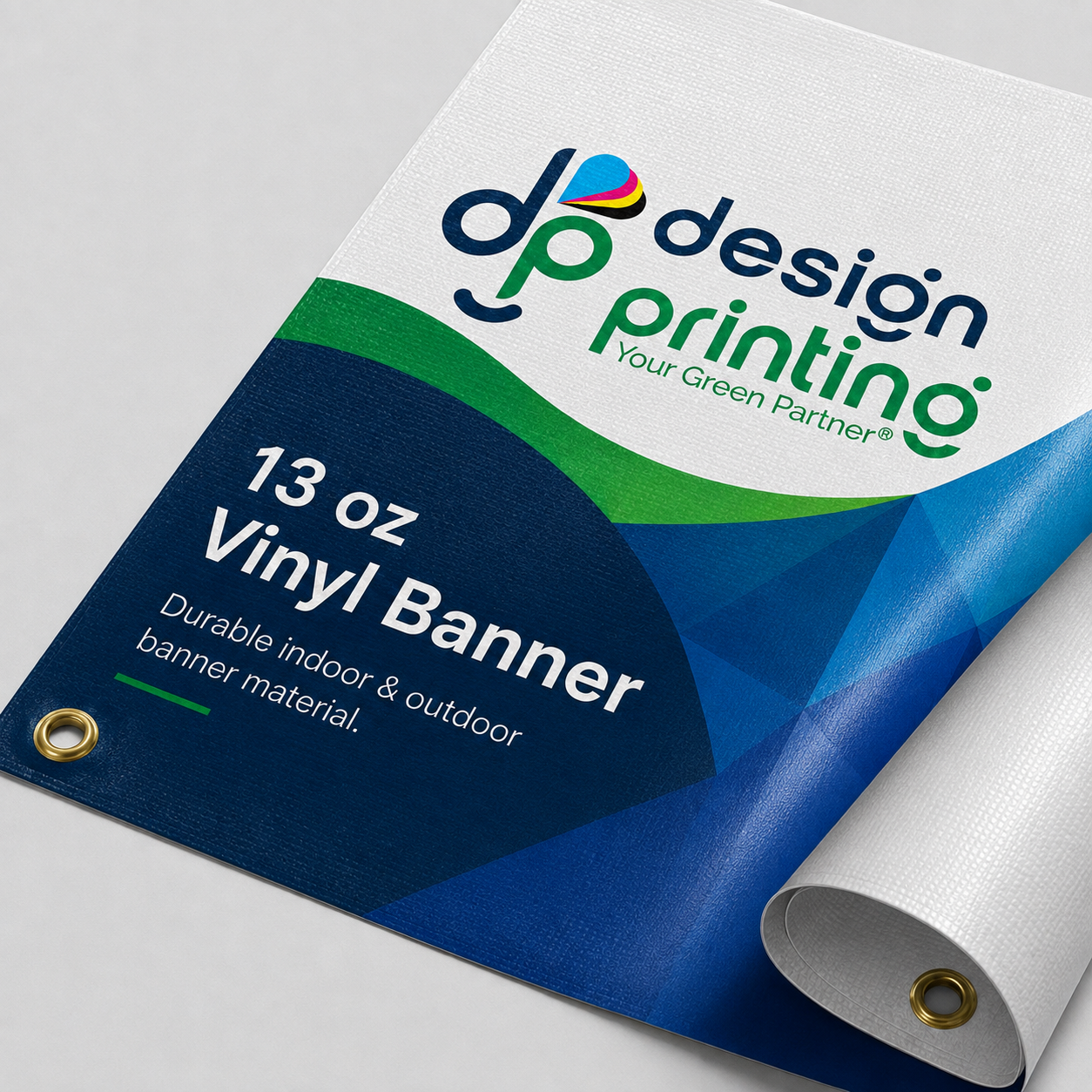
13 oz vinyl banners provide a continuous printed surface for logos, photographs and promotional messages. Design Printing’s listed product uses matte scrim vinyl and offers indoor and outdoor applications, with different finishing options to suit the installation.
For a storefront promotion, concentrate on the message people can understand quickly: what you offer, why it matters and where to go next. A banner filled with several offers, long paragraphs and a small phone number can be hard to use even when the print itself is sharp.
If the banner will be viewed from both directions, specify front-and-back printing when requesting the quote. Also describe any bright light behind it. Printing on two sides and blocking transmitted light are separate requirements; the material construction needs to match both.
Choose mesh when airflow is part of the brief
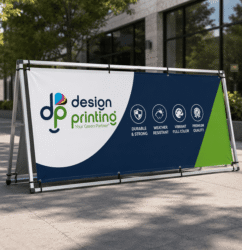
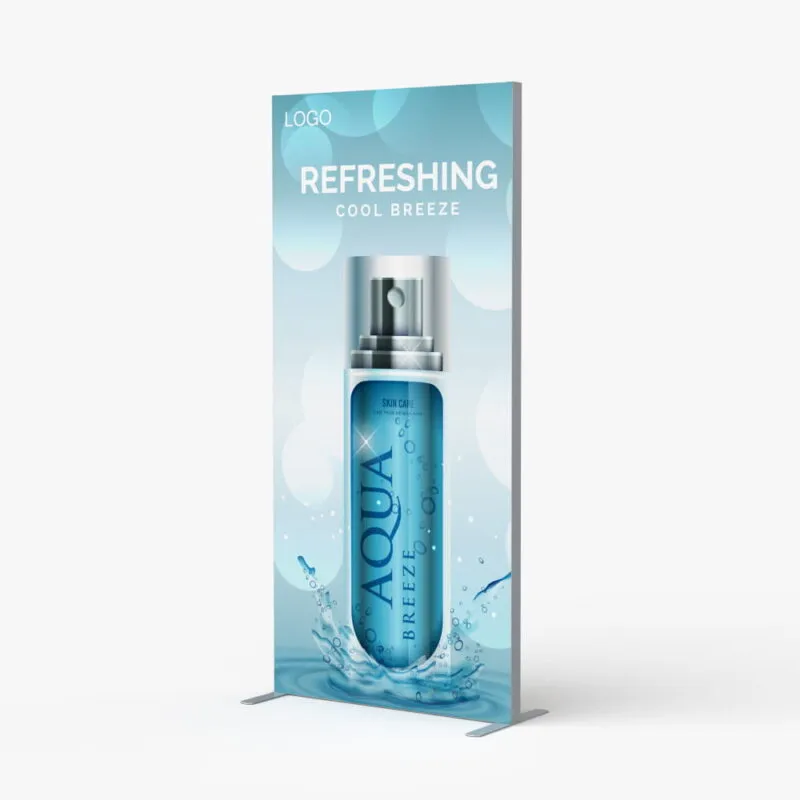
Mesh banners contain openings that allow air through the graphic. They are often considered for fence lines, construction-site advertising and other exposed locations. A bold design with clear lettering is a useful starting point for these larger displays.
The openings also change the printed surface. Backgrounds behind the mesh can affect how the graphic looks, so consider the site rather than judging the artwork only on a white screen. Send a photo showing the fence, lighting and viewing angle when asking for a recommendation.
Mesh still needs an appropriate support and attachment plan. It is not windproof, and its perforations do not establish a safe wind rating for the complete installation. Have the installation conditions assessed rather than choosing material from a photograph alone.
Choose the right fabric, not just “a fabric banner”
Fabric covers several constructions with different uses. Two options on Design Printing’s website illustrate why the distinction matters:
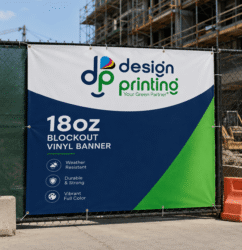
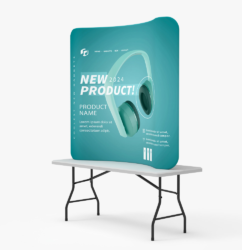
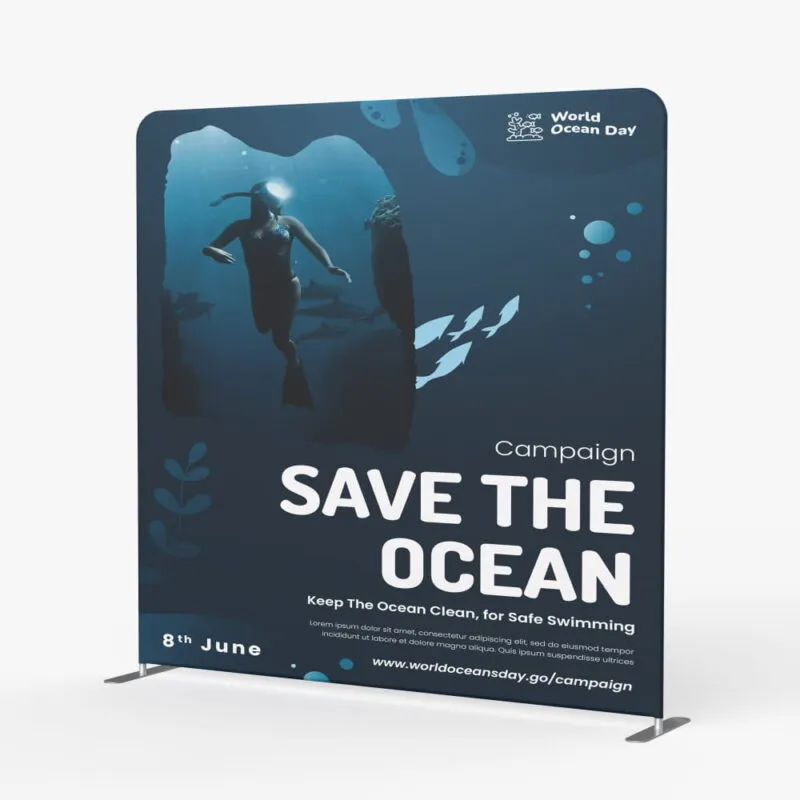
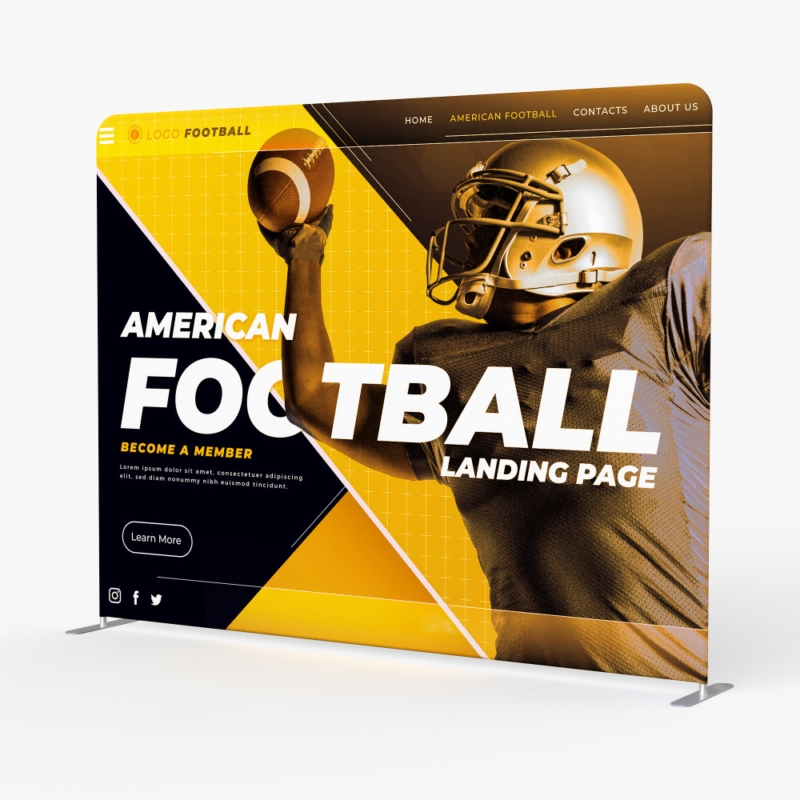
- Blockout fabric has an opaque inner layer intended to limit light interference from behind the graphic. It is a useful option to discuss for photo backdrops and front-lit event displays.
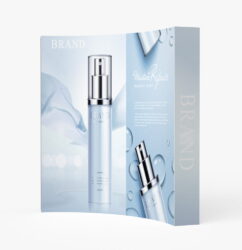
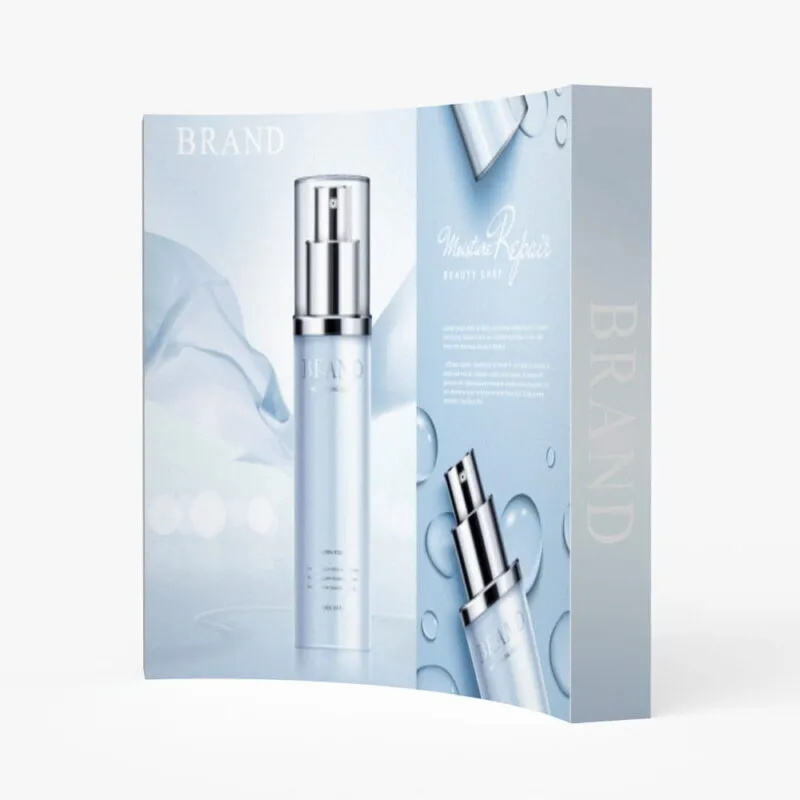
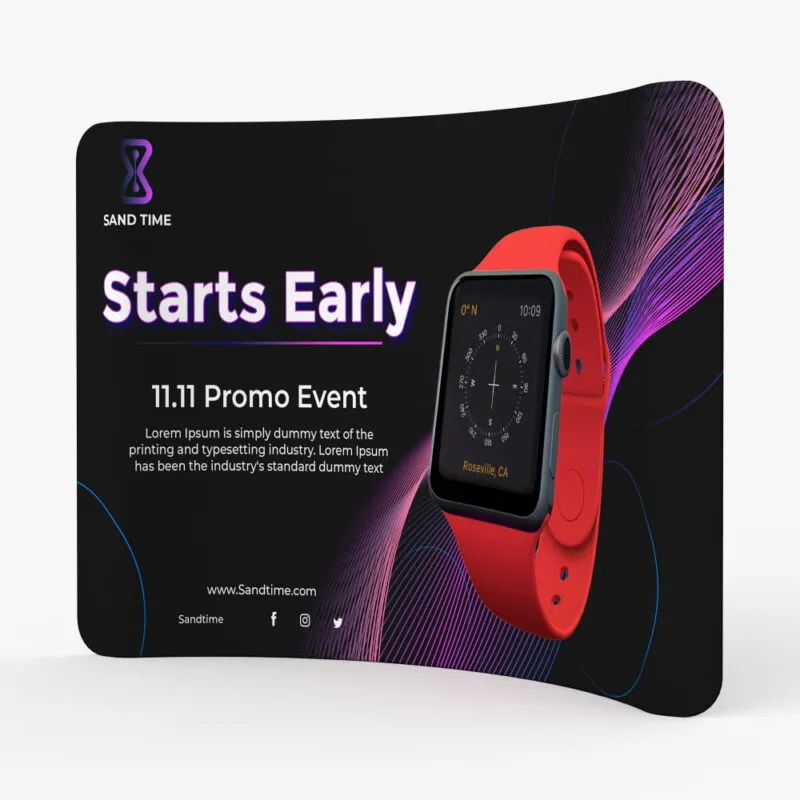
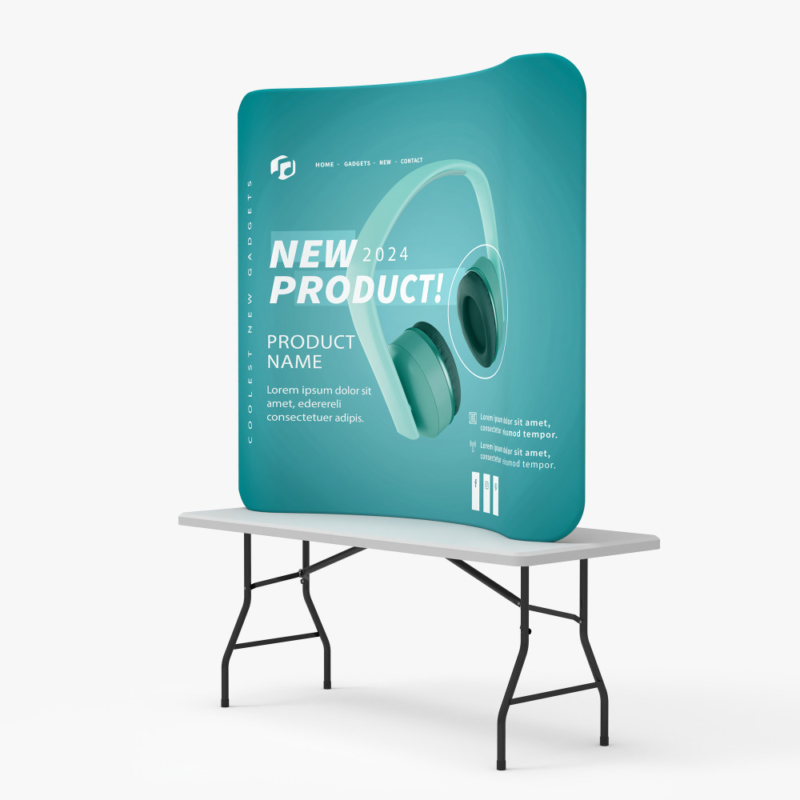
- Tension fabric is designed to stretch around compatible display hardware. The graphic dimensions and finishing must match that hardware to produce the intended fit.
The listed blockout and tension fabric products are single-sided. Do not assume that white fabric on both faces means both faces will be printed. For a two-sided display, explain the viewing requirement and ask which product configuration supports it.
For photographs or video, consider the lighting as well as the banner. A lower-sheen textile surface may help reduce distracting reflections, while a blockout layer addresses light arriving from behind. These are different characteristics, and neither replaces a lighting check at the venue.
Specify hems, grommets or pole pockets before designing
Finishing is part of the banner’s construction. It changes how the graphic attaches, where seams appear and how close important content can sit to the edge. Match it to the actual display hardware before approving artwork.
- Hems: Ask which finished edges are appropriate for the material and application.
- Grommets: Supply the attachment layout if the banner must align with existing fixtures.
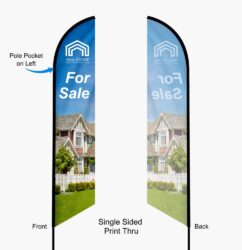
- Pole pockets: Provide the pole diameter and the edges that need pockets; pocket width is not the same as pole diameter.
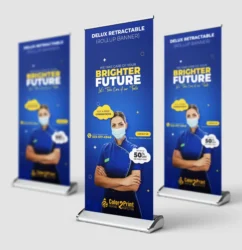
- Fitted fabric: Share the display brand, model and production template, if available.
- Replacement graphics: Confirm the hardware measurements rather than relying only on the old banner’s stretched or finished dimensions.
Prepare a print file that matches the selected product
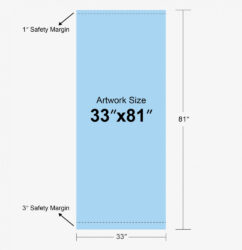
Start with the ordered dimensions and the correct template. Keep headlines, logos, faces and contact information clear of hems, pockets and attachment areas. Give the main message more space than supporting details, especially when the audience will be moving.
Design Printing’s listed vinyl, mesh and fabric banner instructions generally call for artwork at the ordered size without external bleed or crop marks. Other print products have different requirements. Confirm the current instructions for your exact banner and finish instead of applying a booklet’s bleed settings to a large-format graphic.
Use the required CMYK color setup and submit raster images at the resolution specified for that product and final size. Follow the font-handling instructions, and supply separate front and back files when the order requires them. Our print file setup guide explains bleed and safe areas if those terms are unfamiliar.
Frequently asked questions
Is mesh always better outdoors?
No. Mesh is useful when airflow is part of the requirement, but the choice also depends on graphic visibility, exposure, support and finishing. Solid vinyl may suit other exterior applications. Describe the complete installation before choosing.
Which banner should I use behind people in photos?
Start by discussing a blockout fabric backdrop, then review lighting, dimensions and the support system. Keep repeating logos large enough to read in the intended camera framing and check that people will not cover the only important message.
Can I reuse one design for every material?
You can often reuse the main artwork, but dimensions, safe areas, seams and hardware may require changes. A fitted fabric graphic should follow its own production template, and mesh benefits from a visibility check against the actual background.
Request a custom banner quote
For a Los Angeles storefront, event or trade-show project, send Design Printing the width, height, quantity, installation location, hardware details and required delivery date. Include a site photo, whether one or both sides must be visible, and any artwork you already have.
Questions about your display? Call (323) 549-9444.


