





12 Practical Ways to Promote Your Business


A useful promotion gives the right customer a clear reason to take the next step. Before choosing a sign, social post or printed piece, decide who it is for, what you want them to do and how you will recognize a worthwhile inquiry.
These 12 ideas can help you connect your printed materials, storefront and online presence into a practical marketing plan.
1. Choose one goal for each campaign
Pick a specific action, such as requesting a quote, visiting an event booth or asking about a featured service. Build the message around that action. A piece that tries to explain everything about your business can make the next step difficult to find.
2. Make your storefront message easy to understand
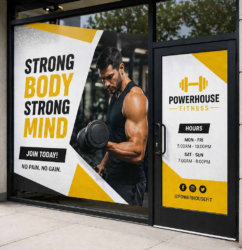
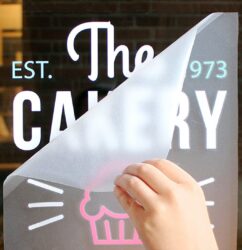
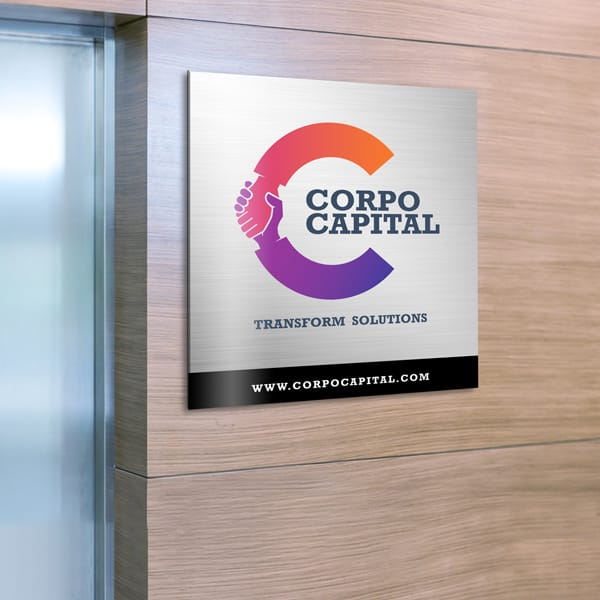
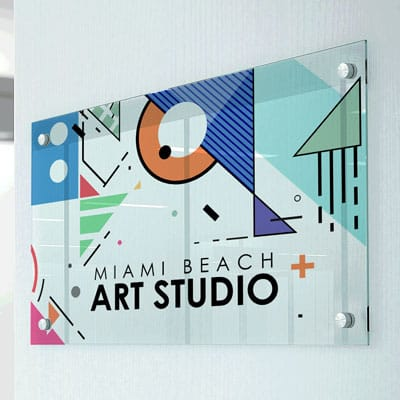
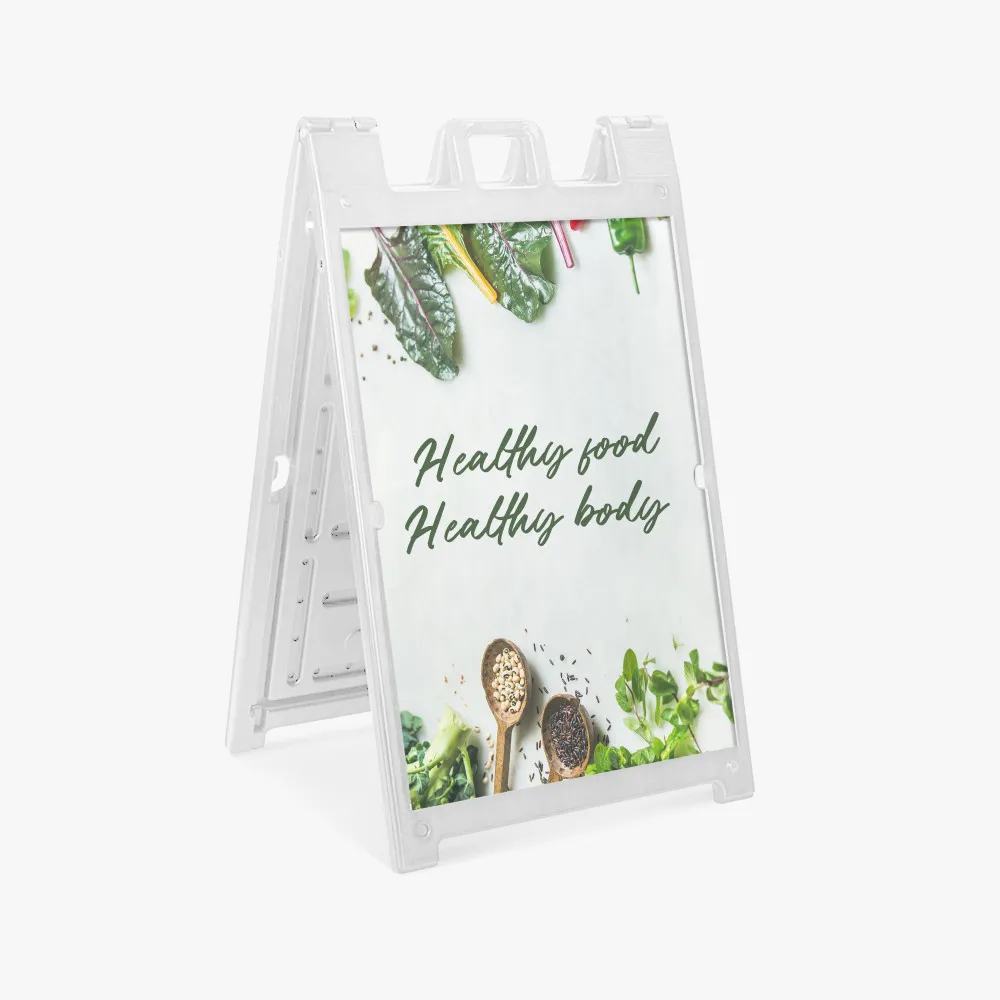
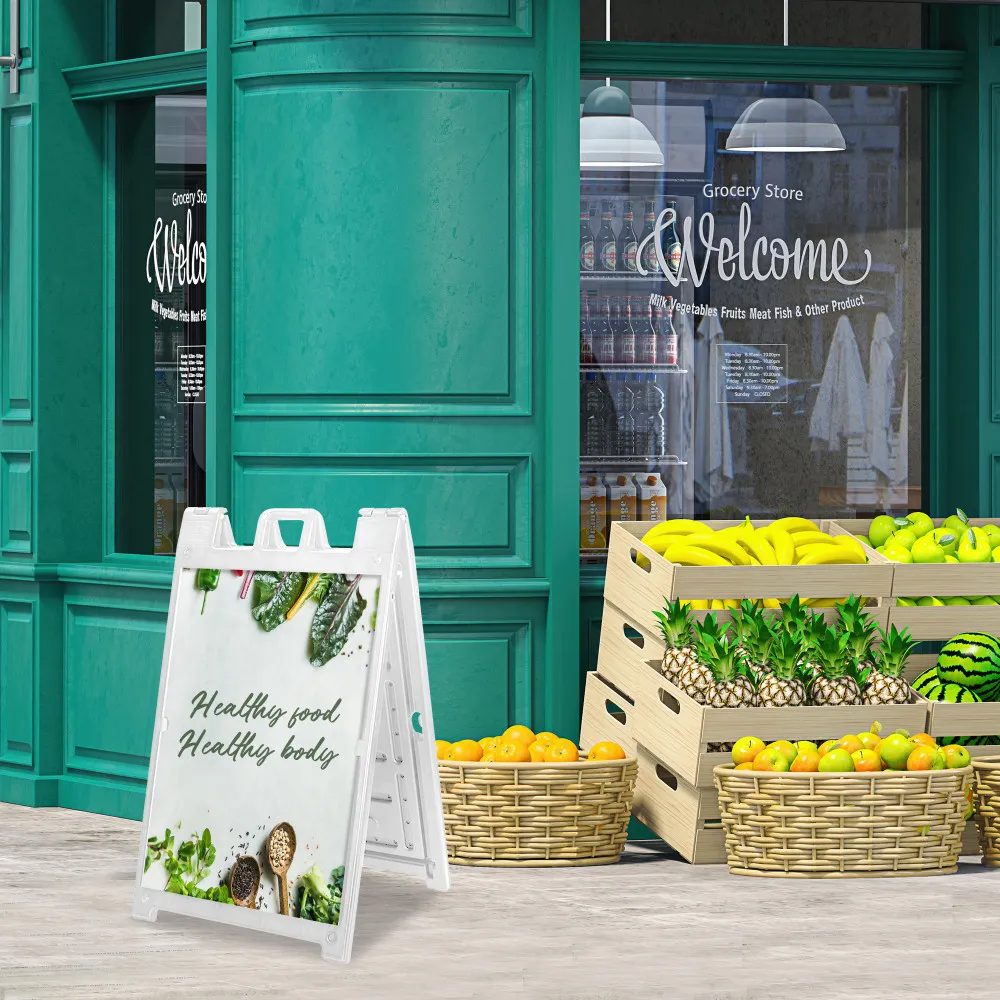
Review your storefront from the distance at which a customer first sees it. Prioritize the business name, main offering and essential contact information. Explore window and adhesive graphics when planning a glass display.
3. Give printed pieces a specific job
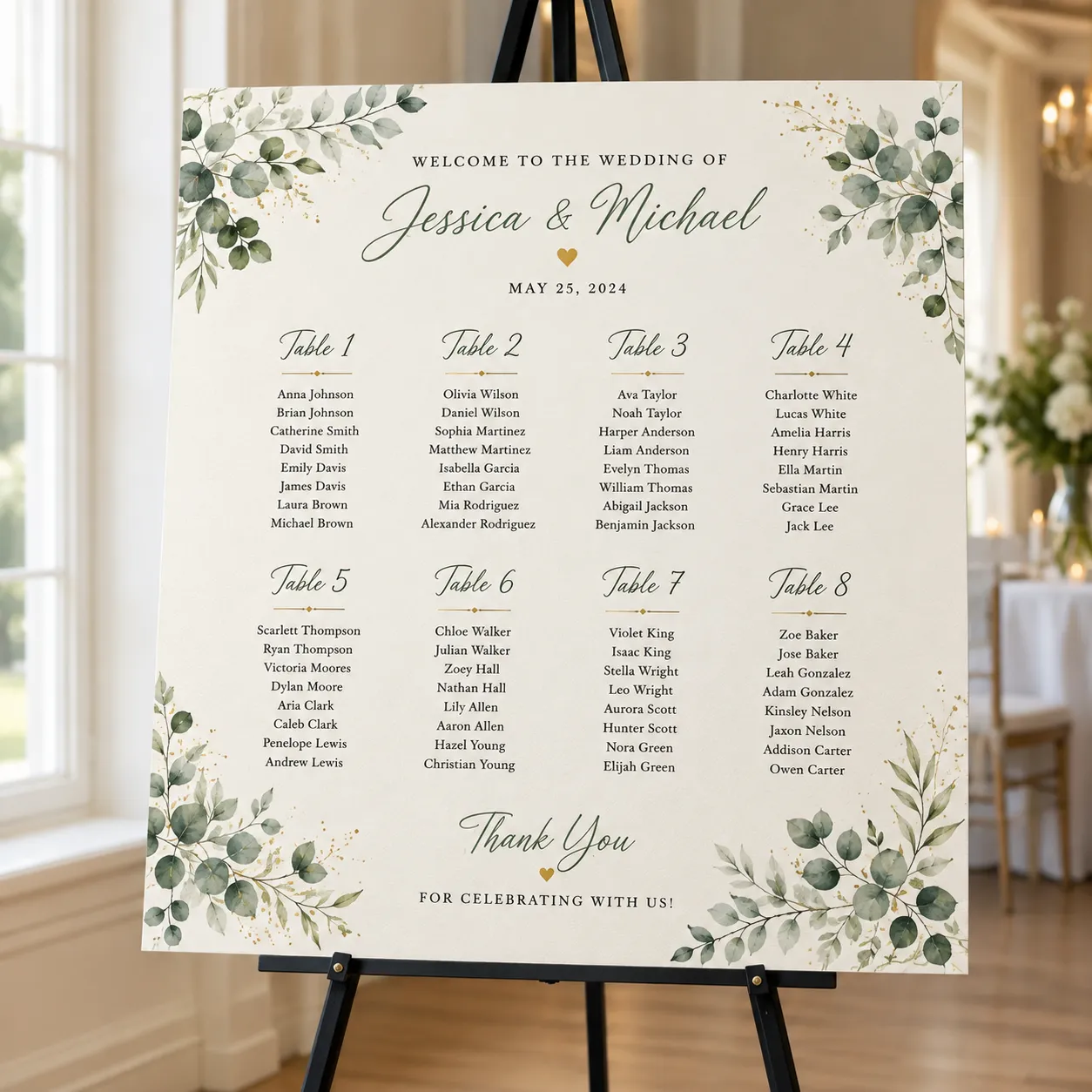
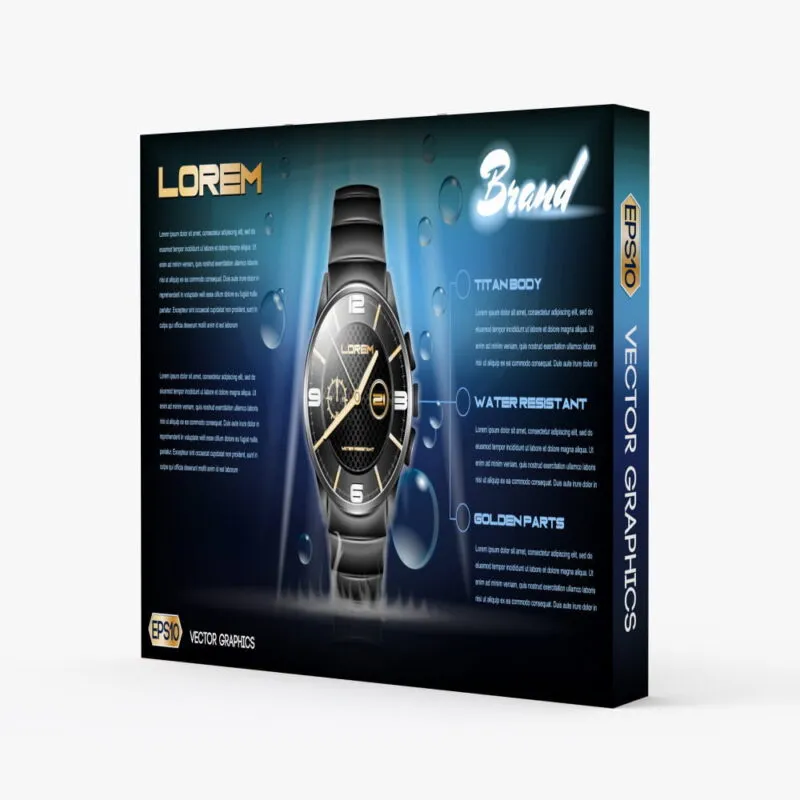
A flyer might announce an event, while a brochure explains a service in more detail. Match the format to the information and the way it will be distributed. Keep one clear call to action on the piece.
4. Use consistent branding
Keep your logo, main colors and contact details consistent across print and online materials. Maintain a current artwork folder so an old phone number or outdated offer does not reappear in a new order.
5. Link print to a relevant page
A QR code can connect a printed message to a quote form, event details or a product page. Give people a reason to scan it and include a readable web address as another option. Test the code at the final printed size before producing the full quantity.
6. Plan event displays as a set
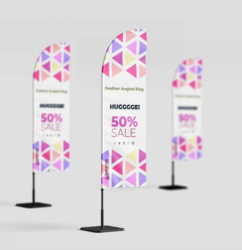
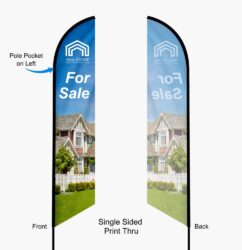
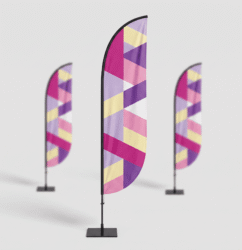
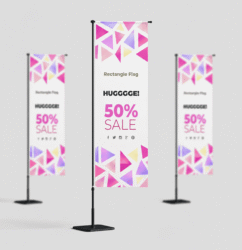
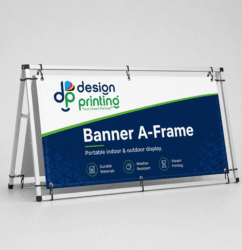
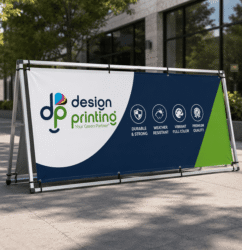
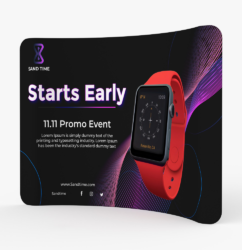
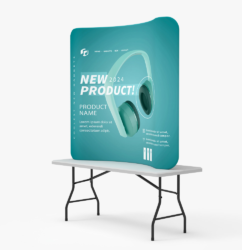
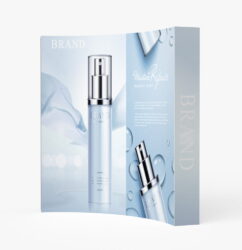
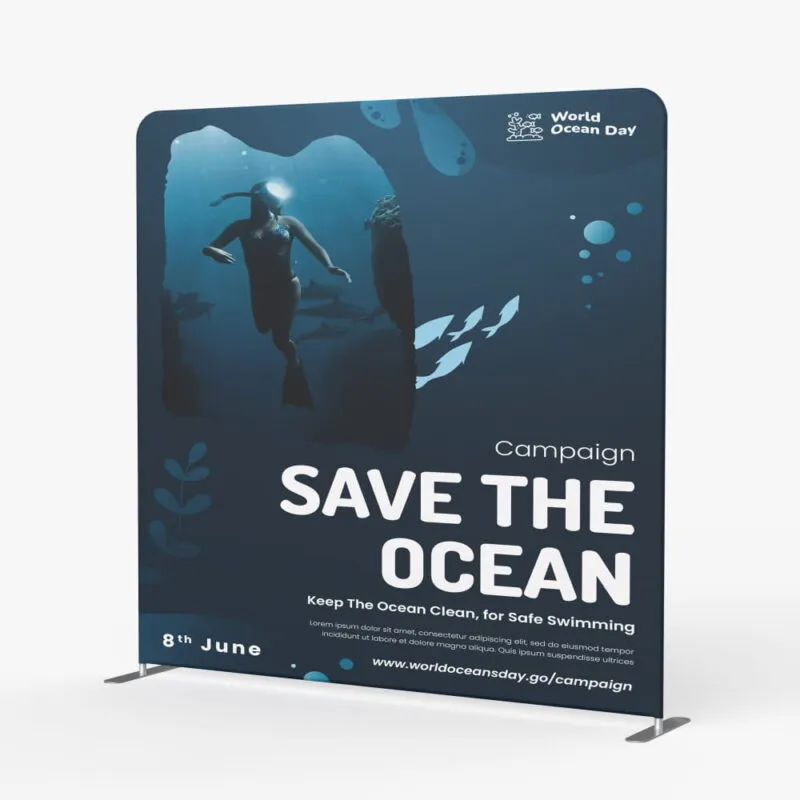
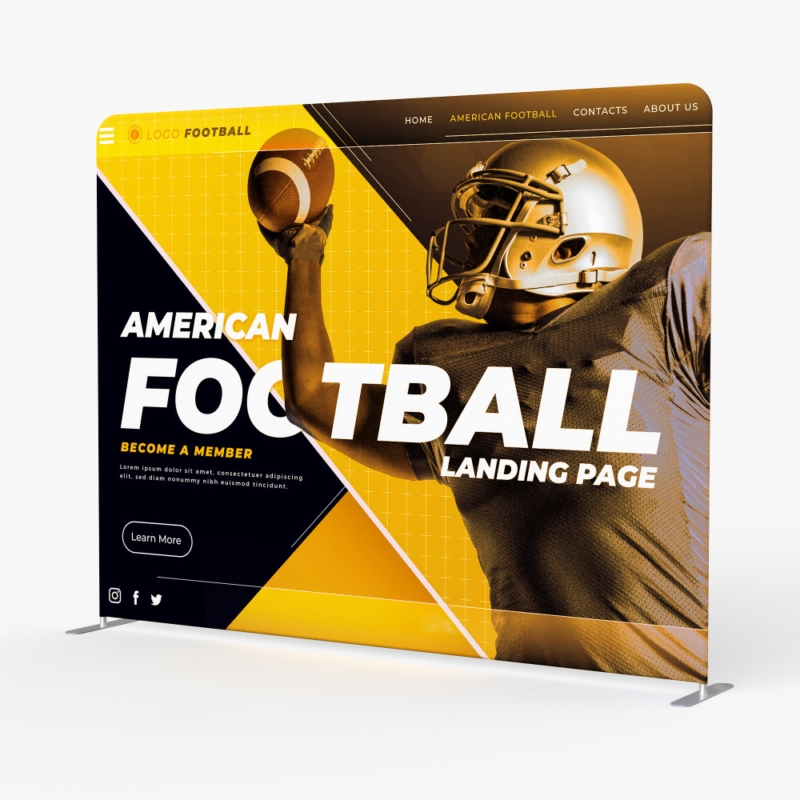
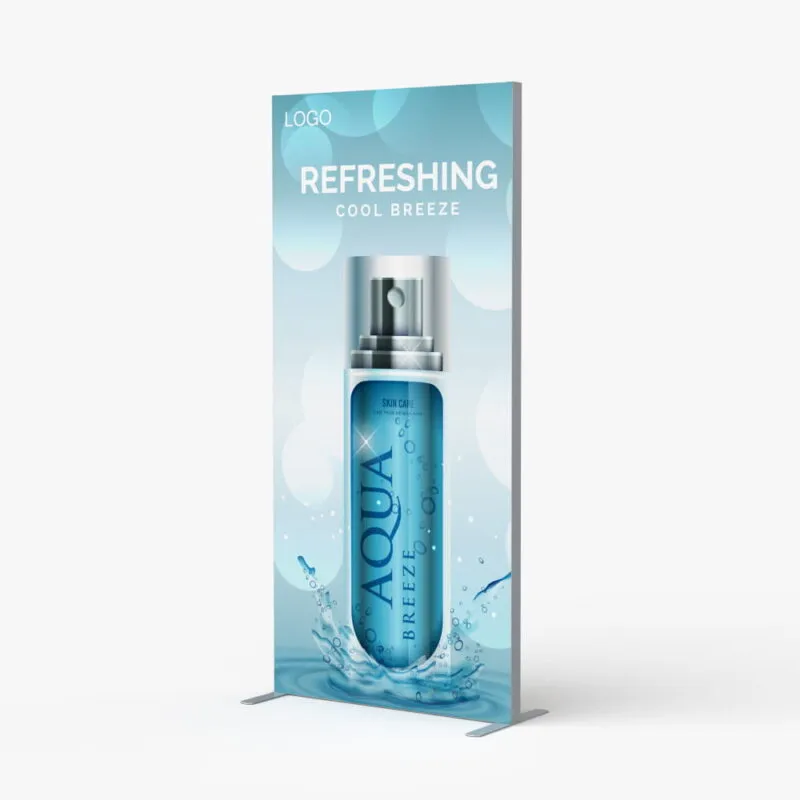
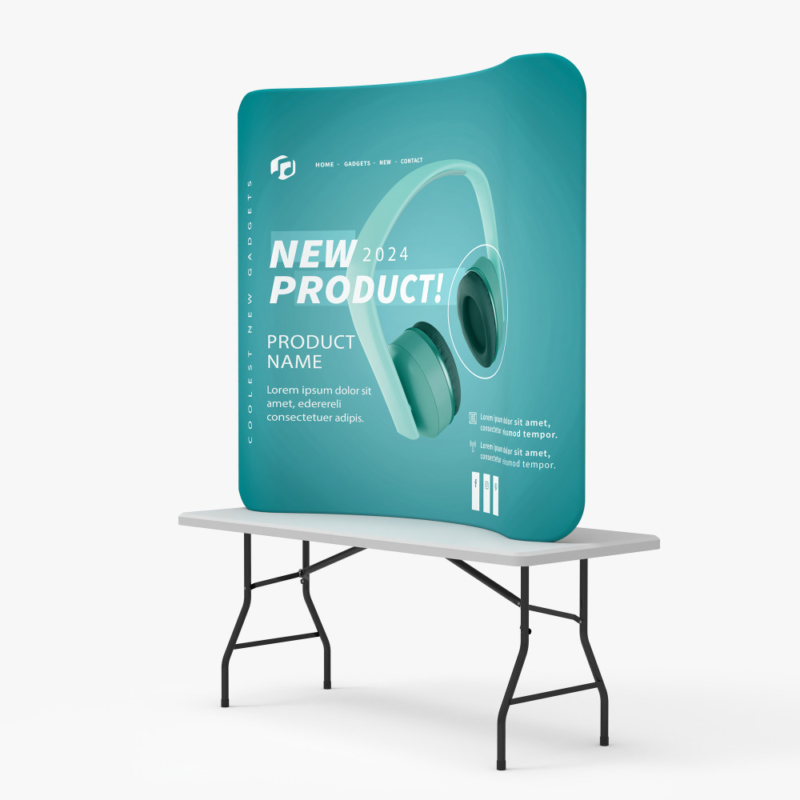
Think about how a banner, backdrop and table cover work together. Put the main message where it can be seen around people and furniture. Review banner stands and table covers against your actual space and display requirements.
7. Keep local business information accurate
Check the website link, business category, customer-facing hours and contact information in your Google Business Profile. Follow Google’s local visibility guidance and update information when the business changes.
8. Invite honest customer feedback
After a completed customer experience, make it easy to leave an honest review. Ask consistently and respond professionally. Do not offer a discount or gift in exchange for a review. Google explains how to share a review link in its review guidance.
9. Show real work
With permission, photograph completed projects and explain the problem they solved. Describe the format, design decisions and practical constraints. A specific example gives a prospective customer something more useful than a broad claim about quality.
10. Publish answers to customer questions
Turn recurring questions into useful guides. Explain what information is needed for a quote, how to compare product options or how to prepare artwork. Link each guide to the relevant product or contact page.
11. Build relevant local relationships
Look for complementary businesses, organizations and events that reach a similar audience. Start with a concrete collaboration that helps both sides, such as a shared event or useful referral resource.
12. Track inquiries and improve the next campaign
Record which campaign generated an inquiry, what the customer needed and whether it became a sale. Compare lead quality as well as traffic. Use the results to decide what to repeat, revise or stop.
Prepare your next print project
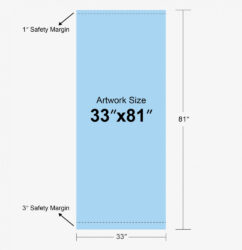
Once the campaign goal is clear, gather the product list, dimensions, quantities, artwork and deadline. Explore printed marketing products, then request a custom quote.


